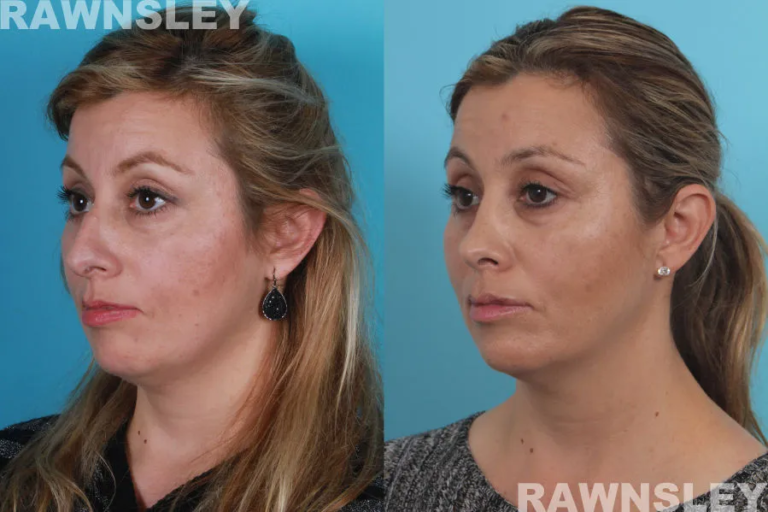
When considering plastic surgery, it’s crucial to recognize the role ethnicity plays in shaping beauty standards and aesthetic goals. Each ethnic group has distinct features and preferences, impacting how patients envision their transformations. By understanding these variances, surgeons can better tailor their techniques to meet diverse needs. But how do these considerations influence both the procedural approach and the patient experience? There's much more to explore in this intricate dialogue.
Understanding Cultural Beauty Standards
As you explore the world of plastic surgery, it is crucial to understand how cultural beauty standards shape perceptions of attractiveness. Different societies emphasize various traits, influencing your desires and expectations. For instance, in some cultures, youthful skin and symmetry are highly valued, while others might prioritize curves or specific facial features. You might find that local norms dictate not just what is considered beautiful but also what enhancements people pursue. This understanding helps navigate your decisions, ensuring they align with your personal ideals rather than external pressures. Recognizing these cultural factors allows you to approach plastic surgery with a more informed mindset, empowering you to make choices that feel authentic and true to your identity.
The Influence of Ethnicity on Aesthetic Goals
Cultural beauty standards greatly shape your aesthetic goals, and ethnicity plays an essential role in this dynamic. As you navigate your personal desires and societal expectations, you'll likely find that different ethnic backgrounds foster unique ideals of beauty. For instance, certain traits might be valued in one culture while being less desirable in another. This might influence your preferences for specific surgical enhancements, like nose shapes or body contours. Understanding these influences allows you to make more informed decisions that align with your values and identity. Ultimately, recognizing how your ethnicity impacts your aesthetic goals empowers you to pursue enhancements that resonate with who you are, helping to achieve a sense of harmony between your appearance and your cultural heritage.
Tailoring Surgical Techniques for Diverse Needs
When considering plastic surgery, it’s crucial to recognize that techniques often need to be tailored to meet the diverse needs of individuals from different ethnic backgrounds. Each ethnicity has unique anatomical features, skin types, and cultural perceptions of beauty. For example, you may find that certain facial structures are more prominent in specific ethnic groups, requiring adjustments in surgical methods to achieve aesthetically pleasing results. Additionally, skin tone can affect healing and scarring, so your surgeon might consider different approaches in incision placement or postoperative care. By understanding these nuances, a skilled surgeon can enhance your results while respecting your heritage, ultimately aligning surgical outcomes with your personal beauty goals. Tailored techniques can greatly improve your satisfaction and confidence post-surgery.

Communicating Effectively With Patients From Various Backgrounds
Effective communication with patients from various backgrounds isn't just beneficial—it's essential for successful surgical outcomes. To connect effectively, start by actively listening to their concerns and expectations. Use http://kylers-cosmetic-enhancement-planet.mozellosite.com clear and simple language, avoiding medical jargon that might confuse them. When discussing procedures, be culturally sensitive; understand that cultural beliefs can influence their perceptions of surgery. Don’t hesitate to ask about preferred communication styles or if they’d like a family member present during discussions. Establishing trust is key—it shows you value their individuality. Remember, empathy goes a long way; acknowledging their emotions during the process fosters a stronger connection. Ultimately, enhancing your communication skills with diverse patients can greatly improve their experience and satisfaction with their surgical journey.

Ethical Practice and Cultural Competence in Plastic Surgery
Understanding the diverse backgrounds of your patients goes beyond effective communication; it also demands a commitment to ethical practice and cultural competence in plastic surgery. You'll need to recognize that cultural beliefs can greatly influence patient expectations and preferences. Avoid making assumptions based on stereotypes; instead, engage with your patients to understand their unique perspectives.
Ethical practice involves respecting these cultural nuances while providing tailored care. Educate yourself on how different ethnic groups perceive aesthetics and body image. This knowledge not only fosters trust but also enhances patient satisfaction. When you prioritize cultural competence, you empower your patients, ensuring they feel valued and understood. Ultimately, integrating these principles leads to better outcomes and a more inclusive practice environment for everyone.